
What is Partnership Work?
To address society’s most pressing challenges, we need to learn how to partner

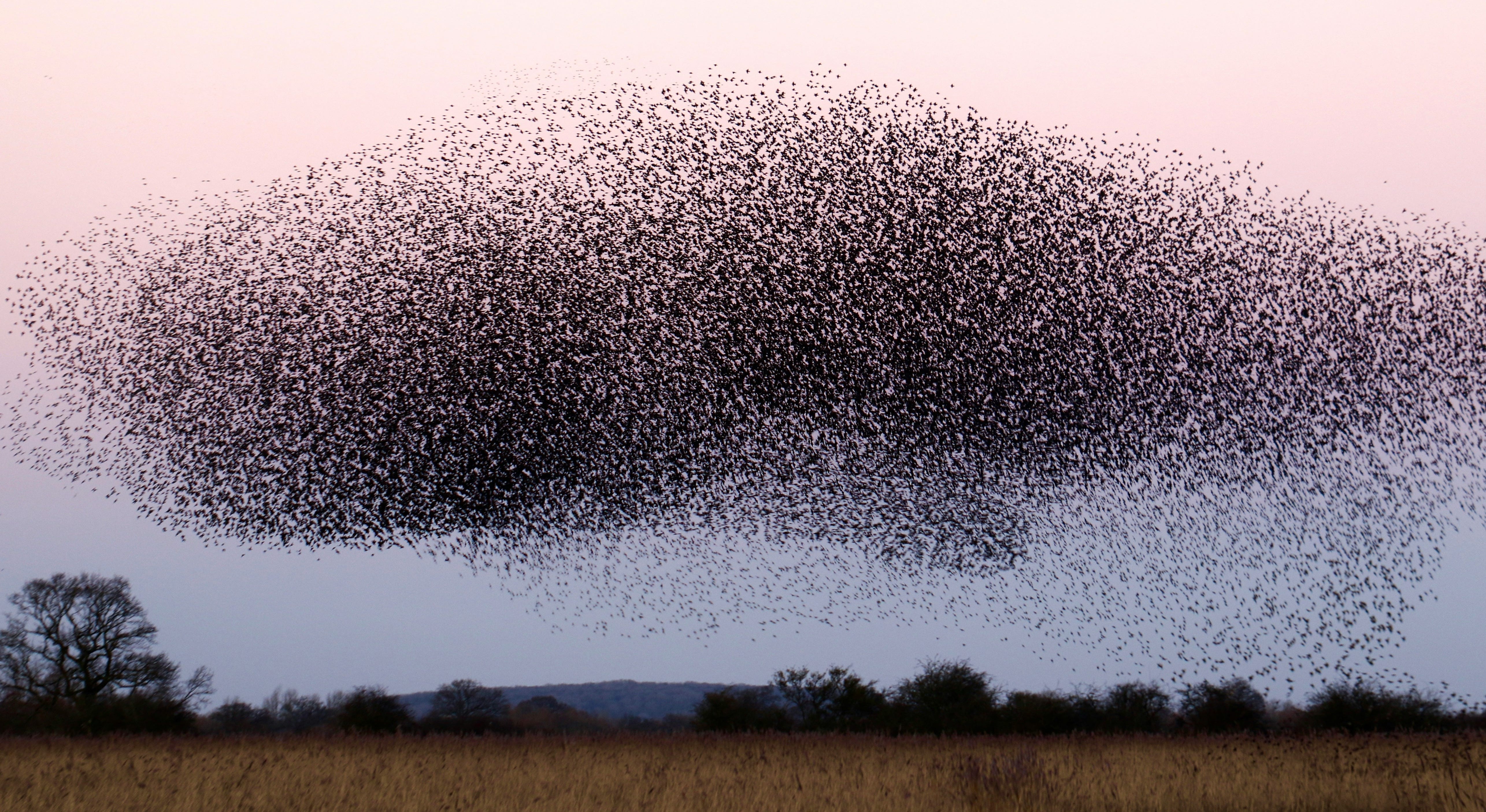
It’s hard to pull up a news feed these days without reading something about how divided and isolated we are.
These stories come in different flavors.
Some focus on the decades-long decline of civic life. A few generations ago, more of us belonged to churches, unions, community groups, arts centers, or sports leagues. Today, many of these social spaces and networks have deteriorated.
Other stories highlight the rise of social media and digital technologies. Face-to-face relationships are replaced with online connections mediated by corporations, algorithms, and now AI. We may be in the same room, but we are all staring at our phones.
Many are tracking the resurgence of racism and the narrowing of who is included as “American” — scapegoating of immigrants, mainstreaming of white supremacist groups, whitewashing of history, and wholesale attacks on diversity and equity. john powell and Stephen Menendian call this “the problem of othering,” and argue it is the problem of the 21st century.
And, of course, many point to our political divides — left and right, rural and urban, Democrats and Republicans, carving through families and communities alike. As people increasingly move near, listen to, and identify with people whose politics align with theirs, trust and compromise become rarer, and the country becomes vulnerable to political opportunism and violence.
These stories share common DNA. A disconnection. A breaking. There will always be social divisions. But it seems clear that forces driving us apart are increasing in intensity, while the threads holding us together are fraying.
One reason this matters is that it keeps us from addressing the challenges facing us as a society. Climate change, economic inequality, cycles of war and violence. These issues cannot be solved by any one group, political party, or nation. They require massive levels of collaboration between people with vastly different perspectives, lives, and worldviews. This is difficult at the best of times, let alone when all our trend lines are heading in the other direction.
As usual, it’s much easier to find people diagnosing the problems than offering solutions. But that doesn’t mean the solutions aren’t out there.
That’s where things get personal for me. Because I’m in the business of connection. For more than 15 years I’ve been building partnerships between communities and universities. Basically, my colleagues and I connect community residents and organizations with university faculty, staff, and students to work on issues that matter to them.
We’re “in-betweeners.” We move between groups, tending to relationships and supporting the process of collaboration. While partnerships come together to achieve shared goals, we are there to make sure the partnership itself is strong.
I had no idea that this career even existed until I almost fell into it. And it’s taught me a ton about what it actually takes to get folks working together across the barriers that so often divide us.
Along the way I’ve met a lot of people doing related work under different names: coalition building, grassroots organizing, community engagement, network weaving, cultural organizing, collective impact, co-design (just to name a few!).
Among some of my friends, we call what we do “partnership work.”
I like that term. It feels right to me. Because whatever kind of organization you work in, whatever techniques you employ, whatever issues you address, at heart, the work is about helping people partner.
Partnering is not about agreeing on everything. It’s about finding common ground.
Partnering is not about just understanding one another better (although that happens along the way). It’s about taking action.
Partnering is not about one group helping another. It is about collaborating for mutual benefit.
Partnering is not transactional, it’s transformational. It is a process that changes all involved.
I also like the term because it’s humble. We’re not talking about some shiny new consulting technique with a trademarked name. It’s work. It’s labor — a kind of labor that people have always done, though it often goes unnoticed and underappreciated.
With this Substack and its sister podcast, we want to shine a spotlight on partnership work and the people who do it. There’s a lot we can learn from partnership workers — about how to move from isolation to connection, from polarization to collective action.